











































Universal Studios
Three years on from his immensely successful adaptation of Joe Hill’s short story, Scott Derrickson returns with a sequel that follows siblings Finney (Mason Thames) and Gwen (Madeleine McGraw) four years on from their ordeal with the sinister Grabber (Ethan Hawke).
Reckoning with being known as the kid who killed a serial killer, Finney is maladjusted and reactive, whereas Gwen is coming into her own as a young woman.
Remaining tight-knit, the siblings soon realize that they have more than just trauma to overcome, though, as Gwen begins to have visions of murders that occurred at Alpine Lake Camp 25 years earlier.
Adamant to solve the mystery, Gwen ropes in Finney to go investigate the camp with her, but when the siblings and their friend Ernesto (Miguel Mora) find themselves snowed in with the staff at the camp, the severity of the situation begins to dawn on them, and they have to consider if the Grabber could somehow end up getting the last laugh after all.
Largely set at a remote youth campsite in the dead of winter, Jason Voorhees may have seemed the obvious horror icon to emulate thanks to the Friday the 13th vibes this setting enables, however, Derrickson instead leans heavily into a deadly dream realm reminiscent of that associated with A Nightmare on Elm Street, the mechanics of how events that occur in a dream state impact the real world being similarly familiar, yet he does so while retaining his own distinct style and flair instead of becoming overly derivative.
The visual style of the dream realm where Gwen experiences her visions draws parallels to Derrickson’s Sinister films as well as the first The Black Phone, giving it a nostalgic feel that invokes an undercurrent of comfort, all the while being steeped in menace.
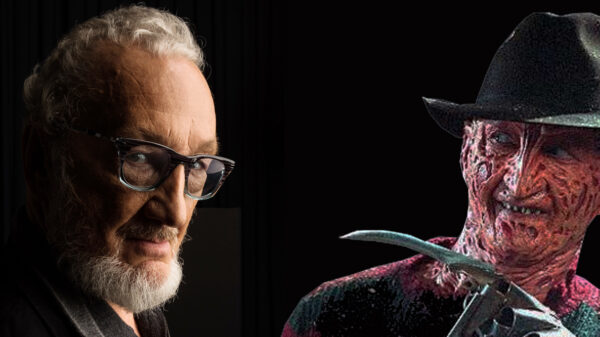
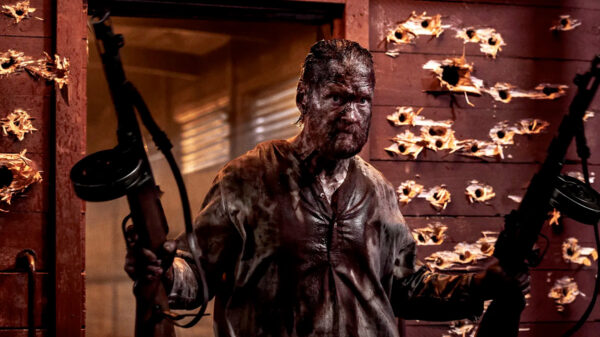
Similarly, with the Grabber dead and gone, it is instead Freddy Krueger who springs to mind here, which seems to have informed Hawke’s performance, as he adds a new layer to the Grabber, delivering a diabolically invigorated version of the character he portrayed with nuanced tiers of menace in the first film.
Both Thames and McGraw also expand on their characters, once again showcasing impressive range and presence. Thames takes a backseat to McGraw this time around, albeit the dynamic of the siblings and their bond is still integral to the narrative, making the sequel both an expansion of the original as well as a mirror image of the structure of the first film.
The gore is sporadic but gratuitous, again helping Derrickson’s work to stand out from other mainstream horror films in general and the first film in particular, ensuring that both films have distinct identities of their own where the gore is utilized for narrative emphasis rather than spectacle.
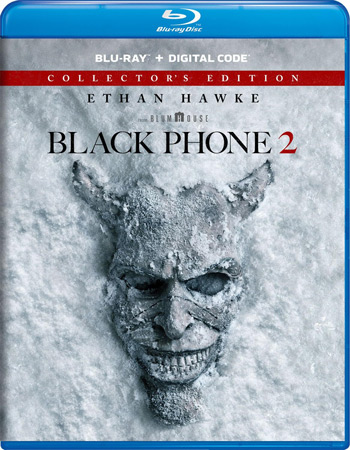
For a sequel that no one asked for, Black Phone 2 confidently creates a bold hellscape of a once mortal killer now turned demonic presence, however, this only works as well as it does due to the filmmaker’s vision, the talent of the cast, and the decidedly solid foundation built by its predecessor.
Extras include commentary, featurettes, and deleted scenes.
Verdict: 8 out of 10.



You must be logged in to post a comment Login